Moe Talaat
What conjugate is (and is not)
Conjugate in its original Westside form is a powerlifting method: max-effort upper, max-effort lower, dynamic-effort upper, dynamic-effort lower, plus accessory work. The constant variation on the max-effort days is the central mechanic. The day-to-day exercise on the bench day changes every week.
Stripped of the powerlifting context, the mechanic is just variation within a movement pattern. That mechanic is gold for gen-pop, where the limiter is not strength potential, it is engagement over time.
The 4-week pattern rotation
Four movement patterns: squat, hinge, press, pull. Run them on a 4-day split. Each day has one primary lift, rotated every 1–2 weeks, plus 2–3 accessory movements that stay stable for 6–8 weeks.
- Squat day. Week 1: front squat. Week 2: high-bar back squat. Week 3: safety-bar squat. Week 4: paused front squat.
- Hinge day. Week 1: conventional deadlift. Week 2: trap-bar pull. Week 3: Romanian deadlift. Week 4: deficit conventional.
- Press day. Week 1: incline bench. Week 2: standing overhead press. Week 3: close-grip bench. Week 4: pin press.
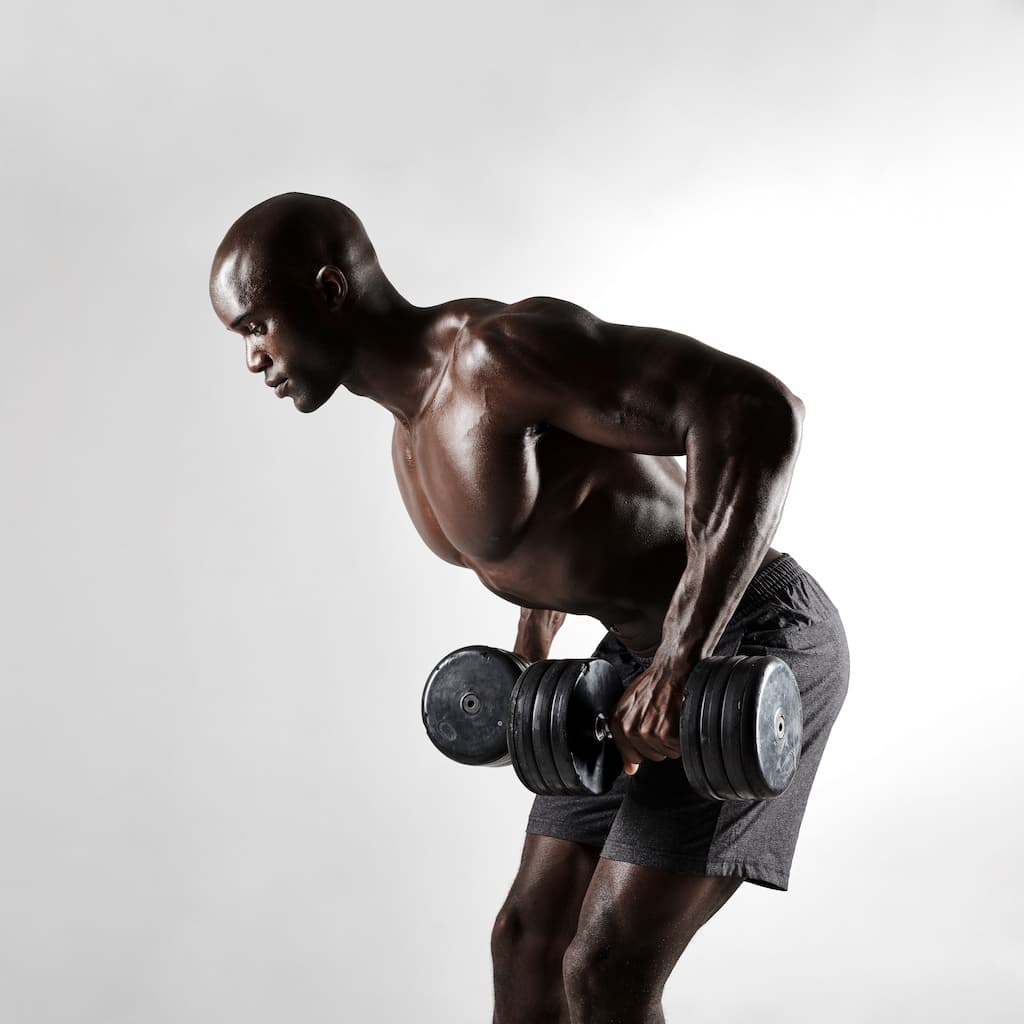
- Pull day. Week 1: weighted chin-up. Week 2: barbell row. Week 3: chest-supported row. Week 4: pull-up + barbell row paired.
Why it works for gen-pop
Every week the client gets to learn something new on their hardest set. The cognitive engagement substitutes for the goal-driven engagement of an athlete prepping a meet. Six months in, they are still curious about the next rotation. Linear programs at this point feel like a chore.
What to drop from the original
Gen-pop conjugate does not need the dynamic-effort day. The original purpose was sport-specific bar speed development for powerlifters, which is irrelevant here. Replace with a hypertrophy day focused on the patterns you want to grow.
You also drop the truly exotic variations (chains, bands, board presses) unless your client genuinely wants them. The mechanic is the rotation, not the equipment.